Cricket’s pace bowling evolved from gentle underarm deliveries to fearsome 150+ km/h projectiles through technique refinement, physical conditioning, and rule changes. This evolution transformed cricket’s competitive balance while creating spectacular entertainment through dramatic fast bowling contests.
Underarm to Overarm Transition
Cricket’s earliest bowling featured underarm deliveries resembling lawn bowls. This gentle approach prioritized accuracy over pace. The underarm technique limited bowling speed making batting relatively easier.
Overarm bowling legalization in 1864 revolutionized cricket by enabling significantly increased pace. This fundamental rule change transformed bowling from mere delivery mechanism into potent attacking weapon. The overarm revolution represents cricket’s most significant technical evolution.
Early Fast Bowling Pioneers
Frederick Spofforth earned “The Demon” nickname through intimidating pace and aggression during late 1800s. These early pace bowlers established fast bowling’s psychological warfare traditions. Speed combined with accuracy created formidable attacks.
However, early fast bowlers rarely exceeded 120 km/h by modern standards. Historical bowling appeared pedestrian compared to contemporary pace. This speed evolution reflects improved techniques and conditioning.
Bodyline Controversy Impact
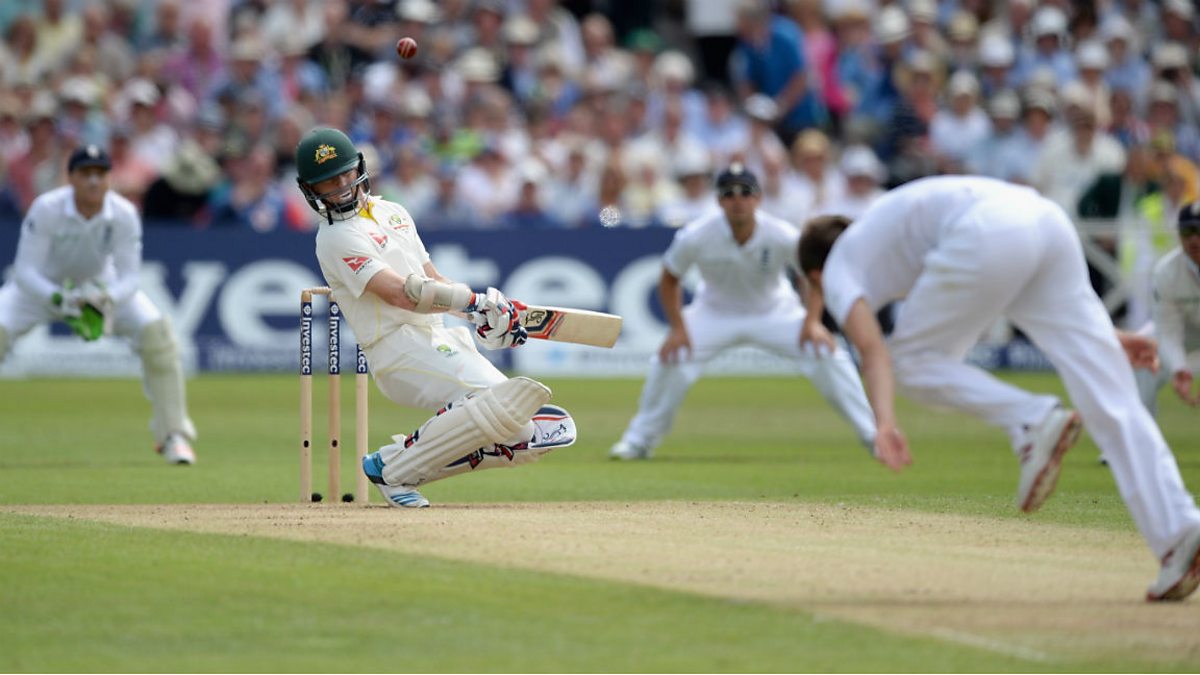
The 1932-33 Bodyline series featured systematic intimidatory bowling targeting batsmen’s bodies. While controversial, this tactic demonstrated pace bowling’s potential as weapon beyond mere dismissal tool. Resulting law changes prohibited excessive intimidation.
Bodyline permanently changed perceptions about pace bowling’s role and acceptable tactics. This watershed moment established boundaries between competitive aggression and dangerous intimidation. These principles continue guiding modern cricket.
West Indies Pace Quartet Era
West Indies dominated 1970s-80s cricket through fearsome four-pronged pace attacks. Marshall, Holding, Garner, and Roberts created unrelenting pressure through sustained speed and hostility. This unprecedented pace depth revolutionized fast bowling tactics.
The West Indies’ success inspired global fast bowling development as nations sought matching their pace firepower. This arms race elevated fast bowling standards worldwide. Dominant success drives strategic evolution.
Reverse Swing Discovery
Pakistani bowlers pioneered reverse swing with older balls swinging opposite to conventional directions. Wasim Akram and Waqar Younis mastered this skill creating devastating wicket-taking capabilities. Reverse swing added new dimension to pace bowling arsenal.
Understanding reverse swing’s aerodynamics enabled systematic skill development. What seemed mysterious became teachable through scientific analysis. Knowledge dissemination democratized previously rare skills.
Express Pace Generation
Modern bowlers including Brett Lee, Shoaib Akhtar, and Mitchell Starc regularly exceed 150 km/h setting new speed standards. This extreme pace creates entertainment spectacle while challenging batting techniques. Speed barriers continuously fall through improved conditioning and technique.
However, extreme pace increases injury risk requiring careful workload management. The fastest bowlers often struggle maintaining fitness across full careers. Speed and durability remain challenging to balance.
Biomechanical Optimization
Scientific bowling action analysis identifies efficient movement patterns maximizing speed while minimizing injury risk. Optimal kinetic chain sequencing transfers energy efficiently from ground contact through ball release. Biomechanical coaching produces faster, healthier bowlers.
Counter-rotation and mixed actions create injury vulnerability requiring technical corrections. Identifying risky biomechanics early prevents serious injuries. Preventive biomechanics represents crucial fast bowling development component.
Strength and Conditioning Revolution
Modern fast bowlers follow sophisticated strength programs building powerful physiques generating extreme pace. Gym work complementing cricket practice produces more athletic bowlers. Physical preparation advances significantly elevate pace bowling capabilities.
Plyometric training develops explosive power transferring into bowling speed. These specialized exercises produce elastic muscle properties enabling rapid force generation. Targeted conditioning separates modern fast bowlers from historical counterparts.
Pace vs Swing Balance
Fast bowlers balance raw speed against swing bowling requiring different techniques. Maintaining seam position for swing sometimes reduces maximum pace. Strategic decisions about prioritizing speed versus movement depend on conditions and tactics.
Genuine fast bowlers swinging the ball represent rare dangerous combinations. These complete pace bowlers cause batsmen maximum difficulties through varied wicket-taking methods. Dual threat capability increases effectiveness significantly.
Death Bowling Specialization
Limited-overs cricket created death bowling specialists executing yorkers and variations under extreme pressure. These skills differ from traditional Test bowling requiring specific practice and mental toughness. Format differences produce specialized pace bowling roles.
Death bowling failures receive harsh criticism due to match-deciding consequences. However, this challenging role deserves respect given difficulty. Specialization acknowledges specific skills required for different cricket phases.
Women’s Fast Bowling Development
Women’s pace bowling evolved significantly with several bowlers now exceeding 120 km/h. Katherine Brunt, Shabnim Ismail, and others demonstrate women can bowl genuinely fast. This development enhances women’s cricket competitive quality.
However, women’s fast bowling receives less recognition and resources than men’s. Achieving equity requires equal investment in female pace bowling development. Gender-neutral support benefits women’s cricket evolution.
Technology-Assisted Training
Bowling machines and simulators enable batsmen practicing against consistent high-pace deliveries. This technology supplements live bowling while managing bowler workloads. Virtual practice complements traditional training methods.
Speed guns provide objective pace measurement enabling progress tracking. This quantification motivates bowlers while providing coaching feedback. Technology enhances traditional coaching through objective data.
Future Pace Evolution
Future fast bowlers may achieve speeds previously considered impossible through continued biomechanical and conditioning advances. However, human physiological limits eventually constrain maximum achievable pace. Understanding these boundaries guides realistic expectations.
Robotic bowling machines could eventually deliver balls faster than human capabilities enabling extreme-pace practice. This technology might revolutionize batting preparation. However, replicating human bowling’s subtle variations proves challenging.
Conclusion
Cricket’s pace bowling evolution from underarm deliveries to 150+ km/h thunderbolts transformed sport’s competitive dynamics through technique refinement, physical conditioning advances, and rule changes enabling spectacular fast bowling while creating entertainment appeal attracting global audiences. This continuing evolution reflects human athletic capabilities’ expansion through scientific understanding and dedicated training. Future pace bowling will likely feature further speed increases, refined techniques, and specialized roles across different formats maintaining fast bowling’s crucial status as cricket’s most dramatic and entertaining element creating compelling contests between speed and skill defining cricket’s fundamental competitive balance.