Cricket injury epidemiology examines injury patterns, risk factors, and prevention strategies through systematic research providing evidence-based approaches protecting player health while optimizing performance. Understanding injury science enables targeted interventions reducing injury rates across all cricket levels.
Fast Bowling Injury Patterns
Fast bowlers face highest injury risks among cricket positions due to repetitive high-impact biomechanical loading. Lower back stress fractures represent most serious concern with 5-8% annual incidence among professional pace bowlers. These injuries result from combined flexion, rotation, and lateral bending stresses during bowling actions.
Side strains affecting oblique muscles occur at 3-5% annual rates particularly affecting bowlers with mixed bowling actions combining lateral flexion with rotation. Shoulder injuries including rotator cuff tears affect 10-15% of fast bowlers annually through repetitive overhead actions. Understanding these specific injury patterns enables targeted prevention strategies.
Batting Injury Demographics
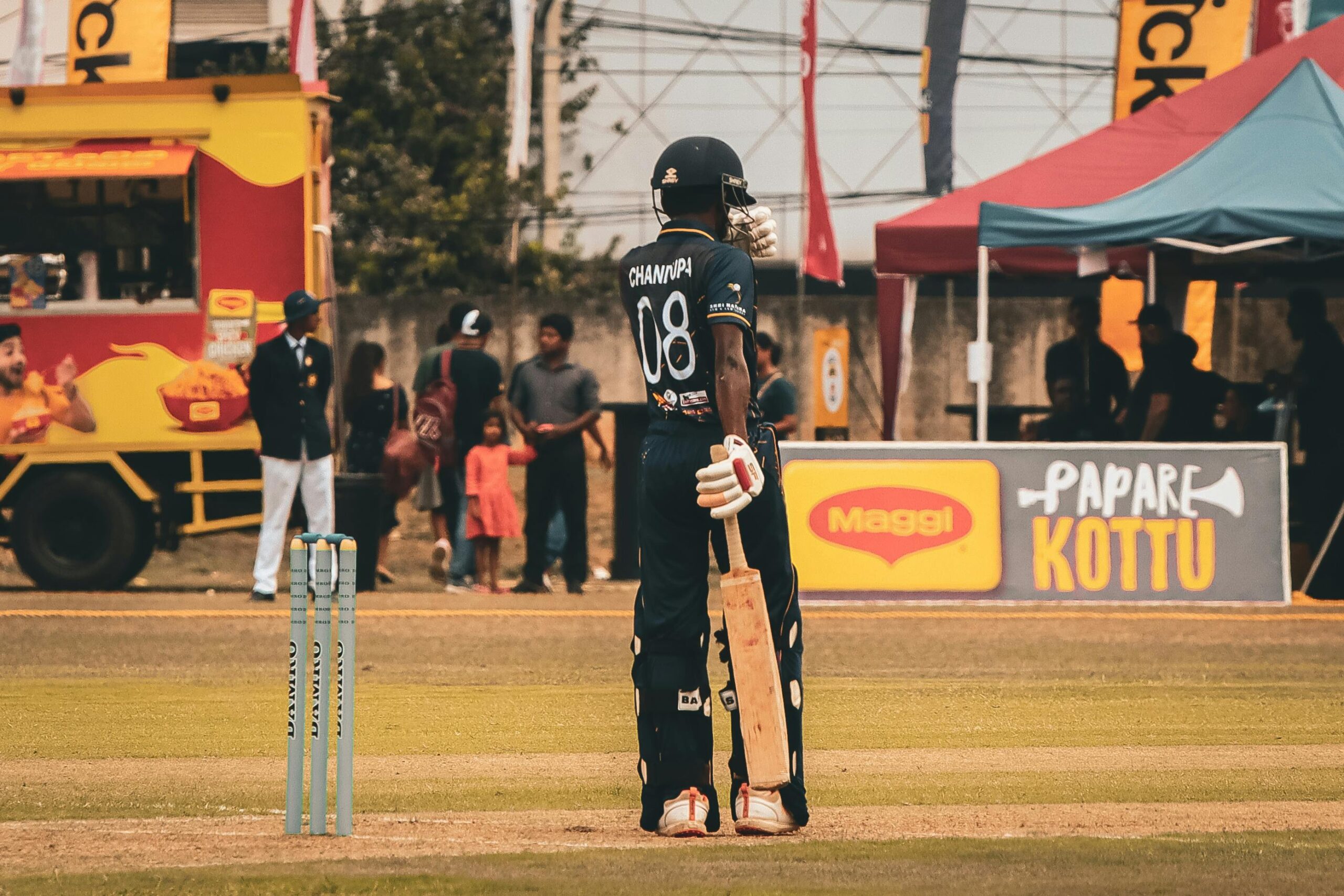
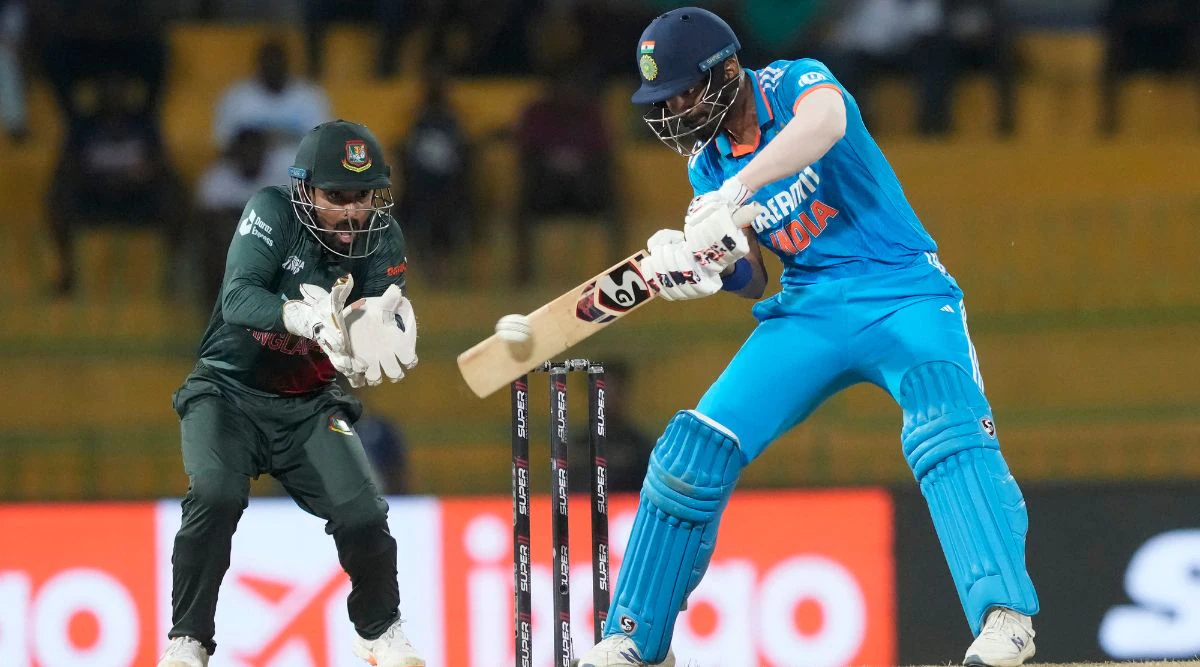
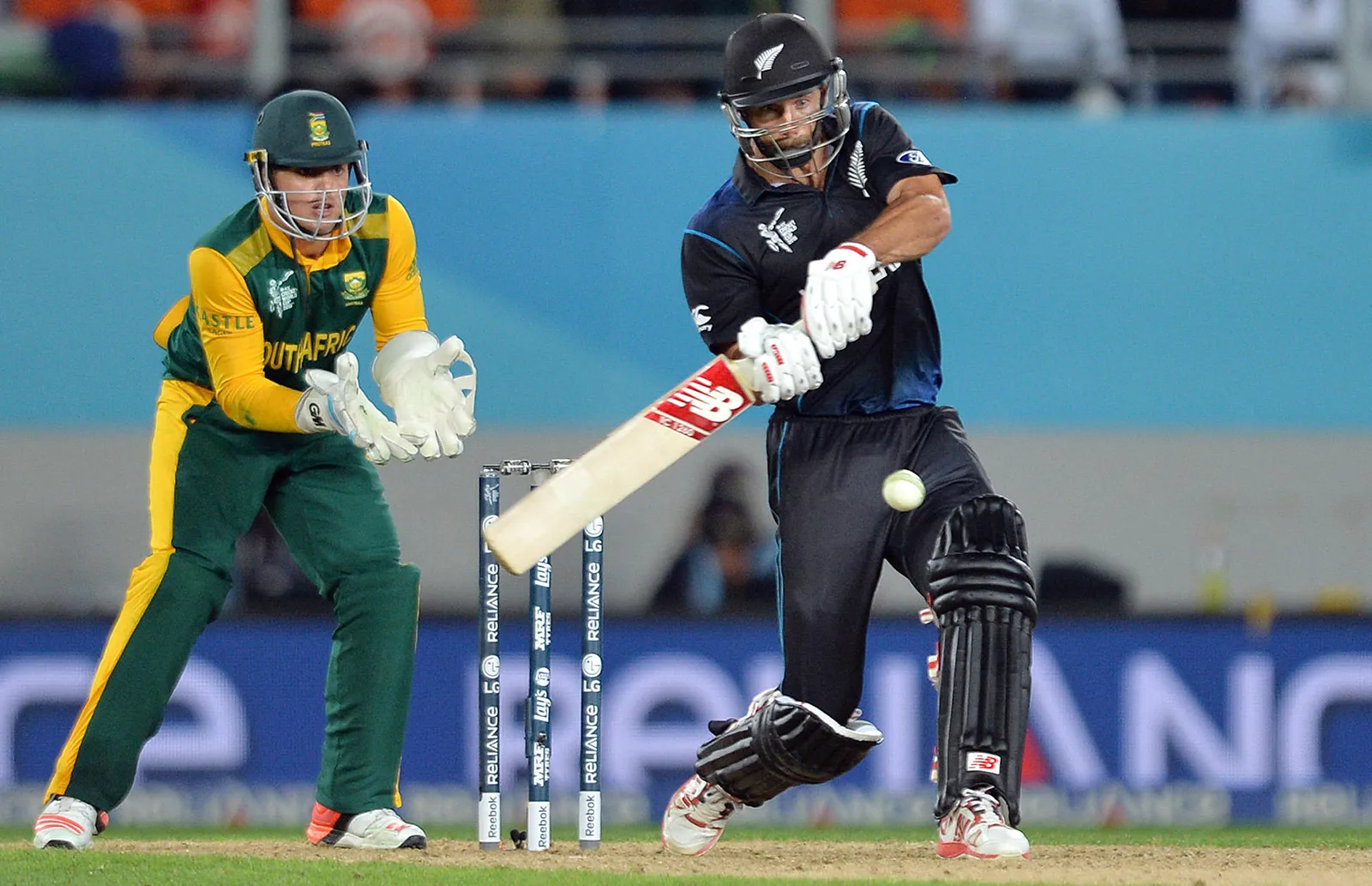
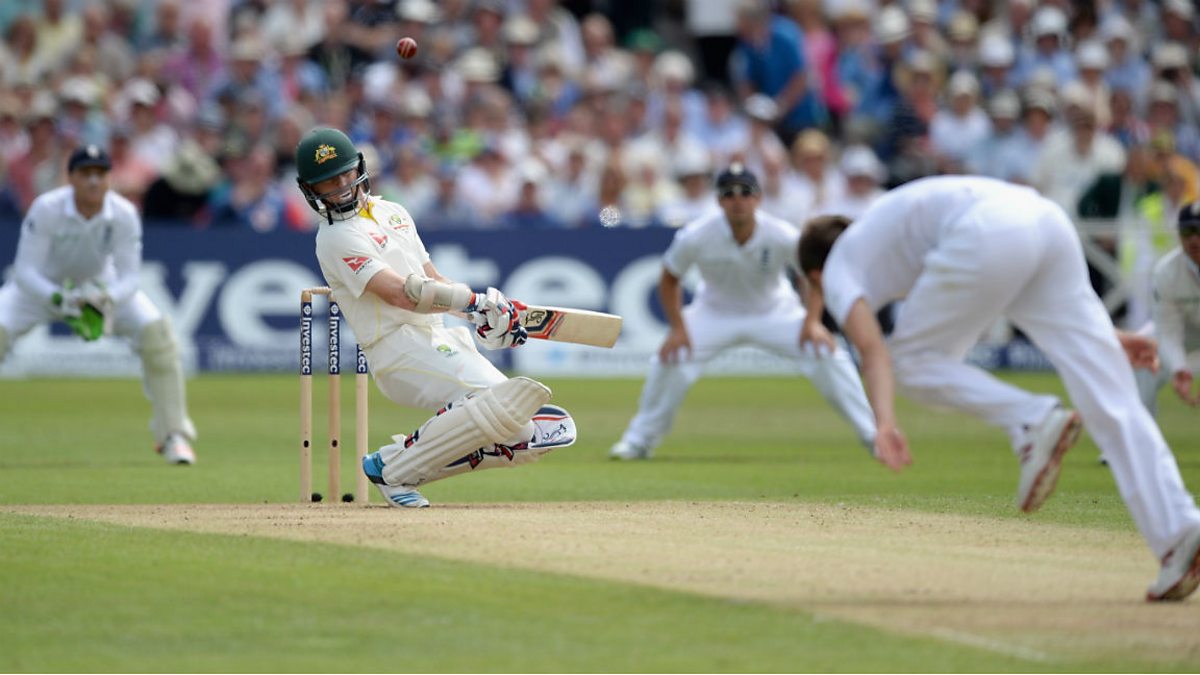
Batsmen experience different injury profiles dominated by ball-impact traumas and overuse conditions. Hand and finger fractures occur in 8-12% of batsmen annually from ball impacts particularly facing pace bowling. Modern protective equipment reduces severity but cannot eliminate all injury risks.
Hamstring strains affect 5-7% of batsmen yearly through explosive running between wickets and quick single attempts. These injuries typically occur during acceleration phases or sudden direction changes. Specific hamstring strengthening and conditioning reduces injury incidence significantly.
Fielding Position Risks
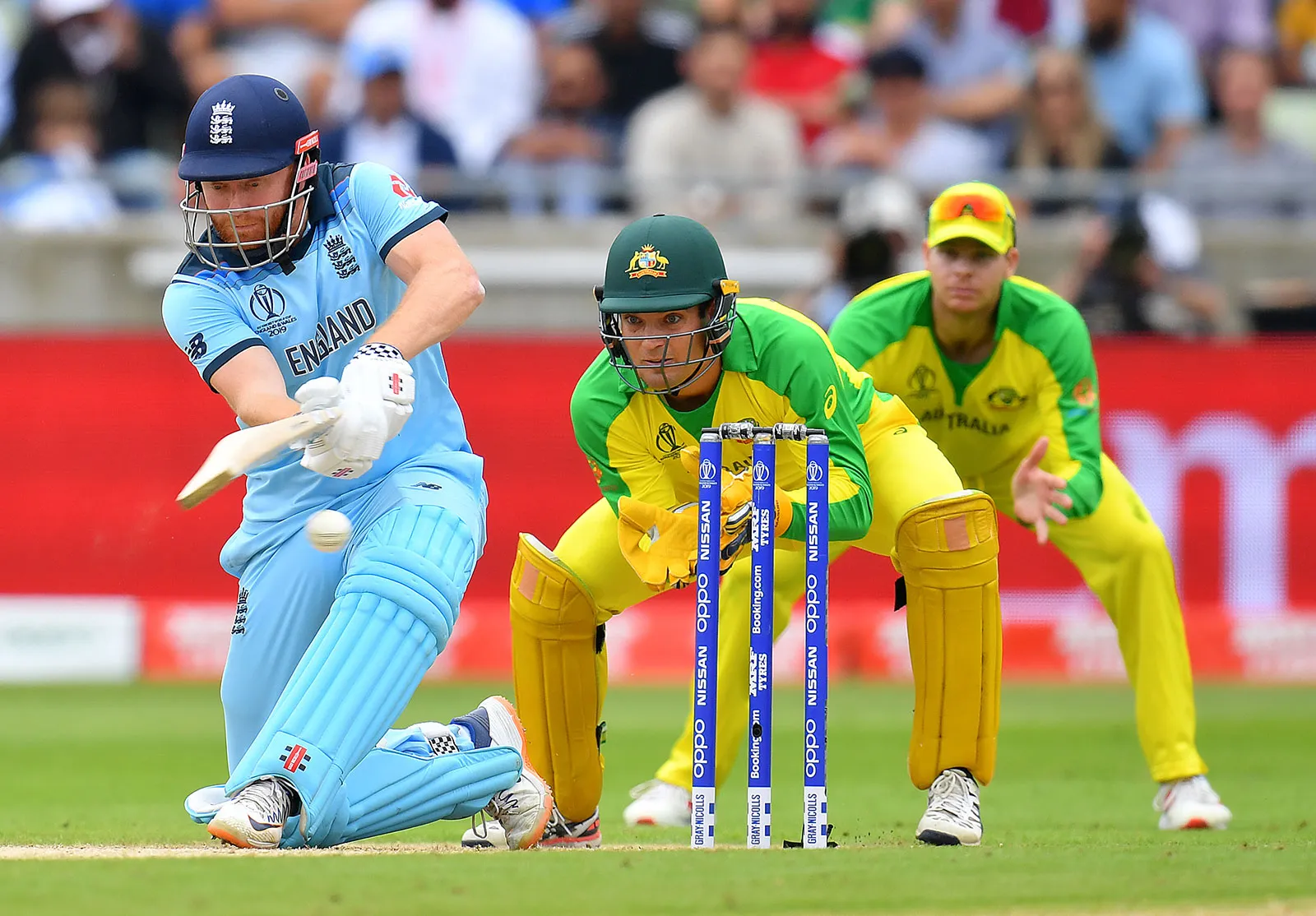
Fielding injuries vary by position with close catchers experiencing higher ball-impact trauma risks. Slip fielders suffer hand injuries from diving catches and hard edges. Short-leg positions face particular dangers from ball deflections despite protective equipment.
Boundary fielders experience more running-related injuries including ankle sprains from uneven ground and hamstring strains from sprinting and diving. Position-specific conditioning addresses unique injury risks for different fielding roles.
Age-Related Injury Trends
Youth cricketers face growth-related injury vulnerabilities during adolescent growth spurts. Stress fractures and growth plate injuries occur more frequently during rapid growth phases. Age-appropriate training loads and careful workload monitoring protect developing athletes.
Master cricketers over 35 years experience increasing soft tissue injury rates and longer recovery periods. Age-related physiological changes affect injury susceptibility and healing capacity. Adjusted training approaches accommodate aging athletes enabling extended careers.
Workload Management Research
Scientific research establishes optimal workload thresholds preventing overuse injuries. Fast bowlers should avoid exceeding 50 overs per week during competitive seasons with adequate recovery between high-intensity sessions. Acute workload spikes represent primary injury risk factor.
The acute-to-chronic workload ratio monitors short-term versus long-term training loads identifying injury risk periods. Ratios exceeding 1.5 indicate elevated injury risk requiring workload reduction. This evidence-based monitoring enables proactive injury prevention.
Biomechanical Risk Factors
Specific bowling action characteristics predict injury risk through biomechanical analysis. Counter-rotation where shoulders and hips rotate opposite directions creates high spinal stress increasing stress fracture risk. Mixed actions combining multiple stress planes amplify injury vulnerability.
Front-knee flexion angles below 30 degrees during landing correlate with increased injury risk. Stiff-leg landings create excessive force transmission through skeletal structures. Identifying biomechanical risk factors enables technical corrections reducing injury likelihood.
Pitch and Environmental Factors
Hard, bouncy pitches increase ball-impact trauma risks for batsmen and close fielders. Softer pitches reduce impact severity but increase lower limb stress through surface giving. Understanding surface effects informs appropriate protective equipment and playing strategies.
Hot, humid conditions increase heat illness and dehydration risks affecting performance and injury susceptibility. Cold conditions reduce muscle flexibility increasing strain vulnerability. Environmental awareness enables appropriate preparation and risk mitigation.
Gender Differences
Female cricketers experience different injury patterns than male players partly due to biomechanical and physiological differences. Anterior cruciate ligament injuries occur at higher rates in female athletes across sports including cricket. Gender-specific training programs address these differential risks.
However, research into women’s cricket injuries remains limited compared to men’s cricket. This knowledge gap requires addressing through dedicated research ensuring evidence-based female athlete programs. Gender-equitable research funding represents important priority.
Injury Surveillance Systems
Comprehensive injury surveillance tracks incident rates, types, and circumstances providing epidemiological data informing prevention strategies. These systems require standardized definitions and consistent reporting protocols. Quality surveillance enables evidence-based policy development.
Longitudinal injury tracking identifies trends over time evaluating prevention program effectiveness. This outcome measurement demonstrates which interventions successfully reduce injuries guiding future resource allocation. Data-driven decision-making optimizes injury prevention investments.
Genetic Predisposition
Emerging research explores genetic factors influencing injury susceptibility. Certain genetic markers associate with connective tissue properties affecting injury risk. While genetics cannot be modified, understanding predispositions enables personalized risk management.
Genetic testing remains ethically complex raising concerns about discrimination and privacy. However, responsible genetic information usage could enhance personalized medicine approaches. Ethical frameworks must guide genetic testing implementation.
Protective Equipment Effectiveness
Research evaluates protective equipment efficacy through injury data analysis. Helmet standards evolved following tragic head injuries demonstrating evidence-based equipment regulation. Continued research ensures equipment keeps pace with game evolution.
However, protective equipment creates false security potentially encouraging riskier behavior. Comprehensive safety approaches combine appropriate equipment with prudent playing strategies. Equipment represents one component within multifaceted safety systems.
Return-to-Play Protocols
Evidence-based return-to-play criteria prevent premature competition return risking re-injury. Objective functional testing ensures players regain necessary physical capacities before match exposure. Systematic protocols protect athlete health while enabling timely returns.
Psychological readiness assessment ensures confidence alongside physical recovery. Fear of re-injury affects performance and increases vulnerability. Comprehensive return protocols address both physical and mental recovery dimensions.
Prevention Program Effectiveness
Systematic reviews evaluate injury prevention program effectiveness across interventions. Strength training, flexibility work, and workload management demonstrate clear injury reduction benefits. Evidence hierarchies guide resource allocation toward proven interventions.
However, implementation quality affects program effectiveness significantly. Well-designed programs poorly implemented fail achieving potential benefits. Quality control and compliance monitoring ensure prevention programs achieve intended outcomes.
Conclusion
Cricket injury epidemiology provides scientific foundation for evidence-based prevention strategies through systematic research examining injury patterns, risk factors, and intervention effectiveness. Understanding injury science enables targeted protective approaches reducing injury rates while optimizing athletic performance. Continued research investment, comprehensive surveillance systems, and evidence-based practice implementation represent crucial priorities protecting cricket player health across all levels enabling longer, healthier careers while maintaining competitive standards essential for cricket’s continued success and popularity.