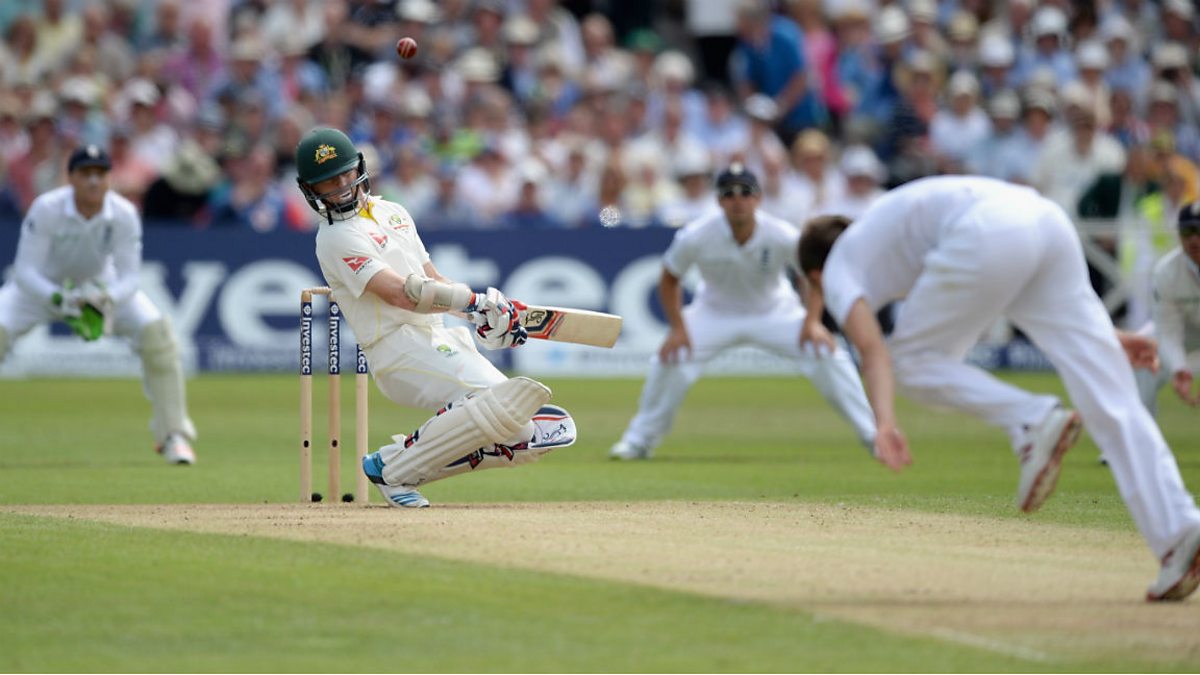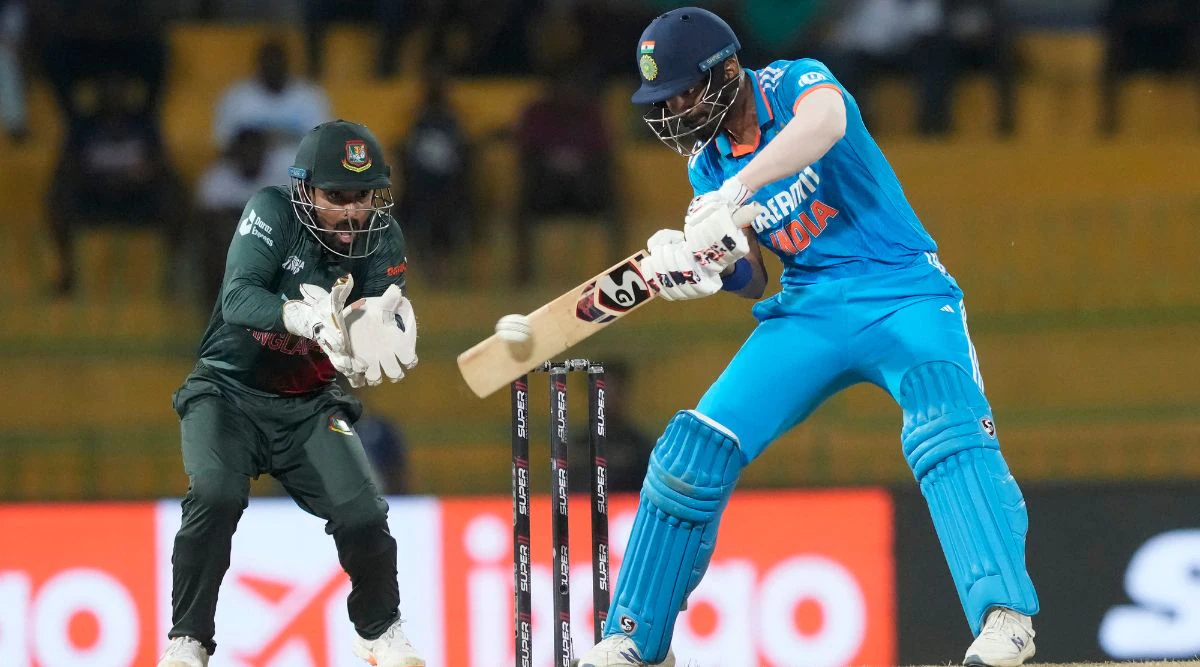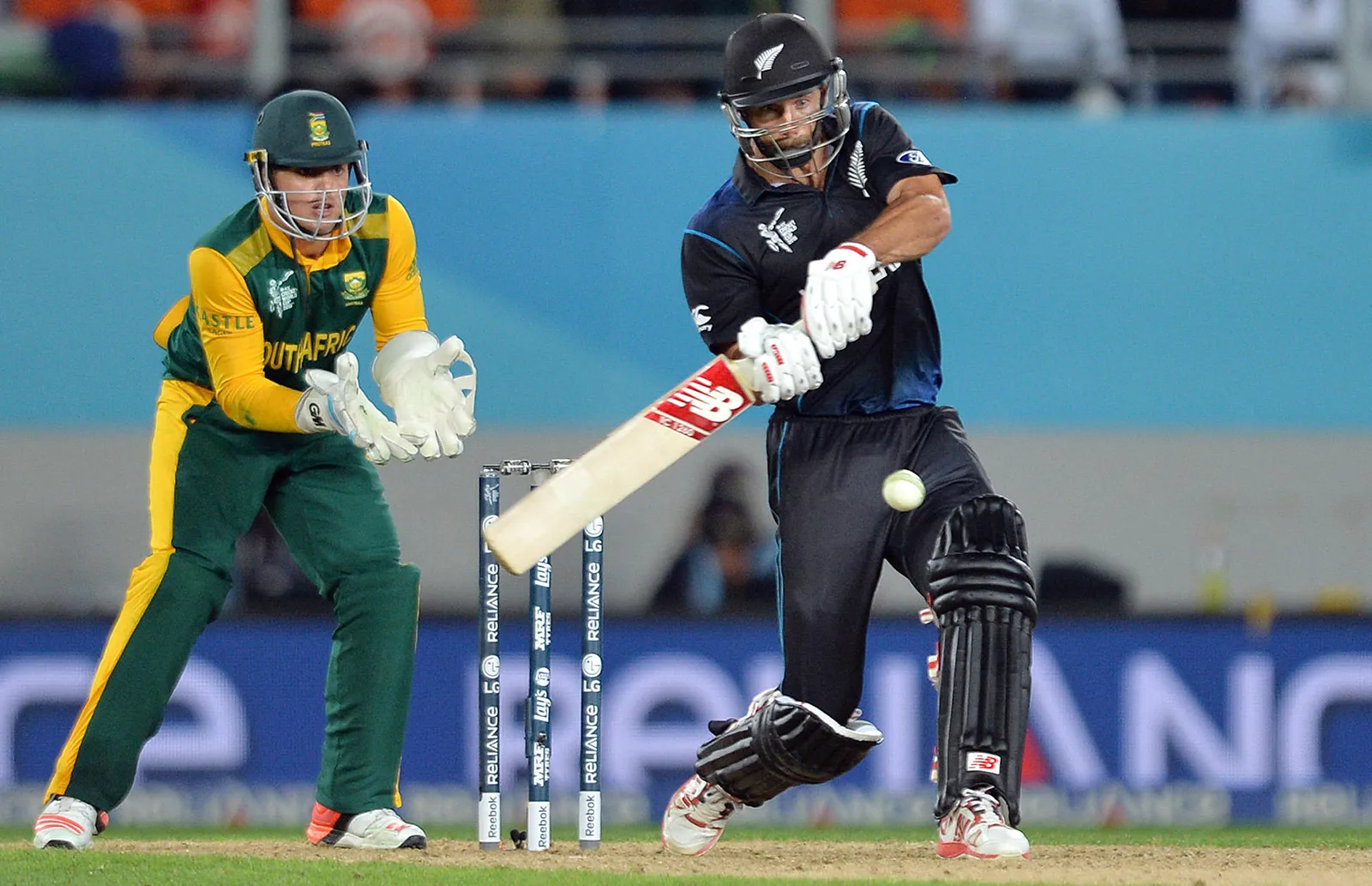
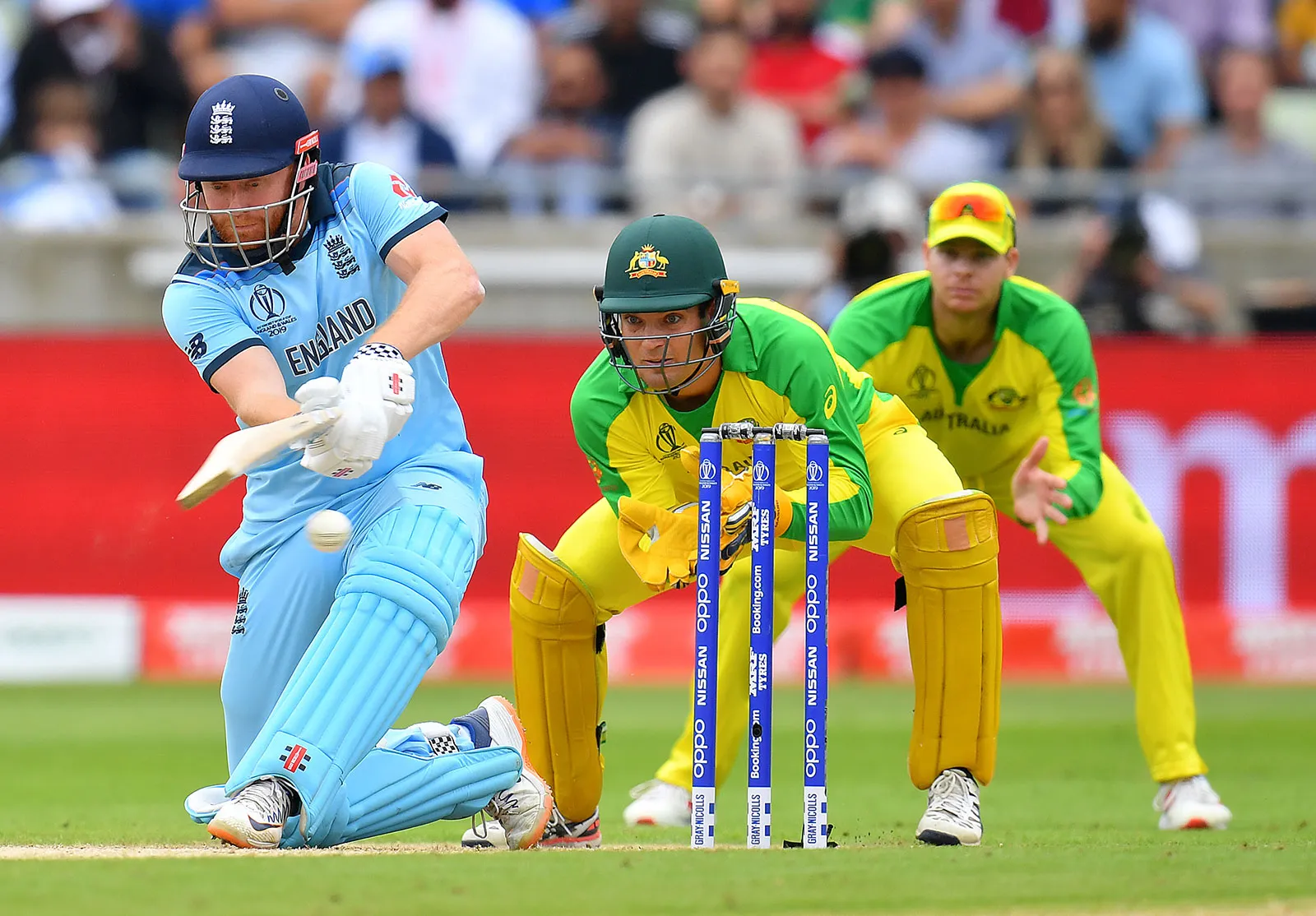
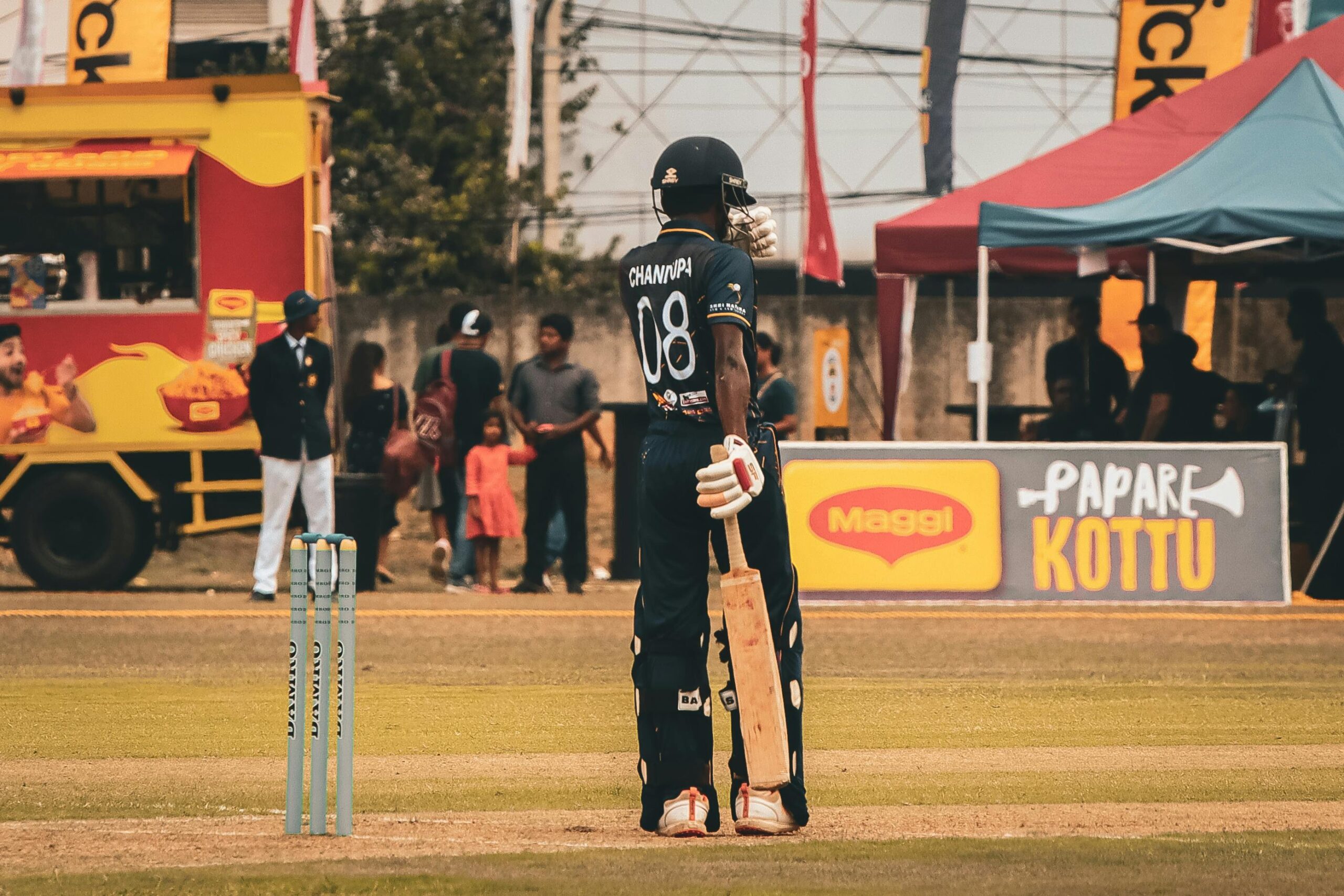
Mental skills training provides cricketers with psychological tools managing pressure, building confidence, and maintaining concentration under competition stress. This specialized training represents crucial performance component often separating talented players from consistent champions despite similar technical abilities.
Concentration Techniques
Cricket requires sustained concentration across extended periods with intermittent high-intensity moments. Mental training develops focus maintenance through mindfulness practices, attention control exercises, and concentration routines. These techniques enable players maintaining optimal attention despite lengthy matches.
Selective attention training helps cricketers filtering irrelevant environmental distractions focusing on task-relevant cues. This skill proves particularly valuable in hostile crowds or distracting conditions. Attention control represents trainable skill improving through systematic practice.
Visualization and Mental Rehearsal
Visualization techniques involve mentally rehearsing performances creating neural activation patterns similar to physical practice. Batsmen visualize facing specific bowlers while bowlers imagine executing perfect deliveries. This mental practice supplements physical training accelerating skill development.
Imagery training proves particularly valuable during injury recovery when physical practice proves impossible. Mental rehearsal maintains skill neural pathways preventing significant performance deterioration during layoffs. Visualization represents efficient supplementary training method.
Confidence Building Strategies
Performance confidence affects cricket success significantly with confident players executing skills effectively under pressure while doubting players hesitate making errors. Mental skills training builds confidence through success recall, positive self-talk, and appropriate goal-setting. These strategies create resilient confidence withstanding temporary setbacks.
However, overconfidence creates complacency and poor decision-making. Optimal confidence balances belief in abilities against realistic situational assessment. This calibrated confidence enables aggressive yet calculated risk-taking.
Pressure Management
Competitive pressure affects performance through physiological arousal and cognitive interference. Mental training teaches arousal regulation through breathing exercises, progressive relaxation, and cognitive reframing. These techniques maintain optimal activation levels preventing debilitating anxiety or insufficient arousal.
Viewing pressure as challenge rather than threat fundamentally alters psychological responses. This mindset reframing transforms anxiety into excitement channeling nervous energy productively. Cognitive restructuring represents powerful psychological intervention.
Pre-Performance Routines
Consistent pre-delivery routines help players entering optimal mental states before batting or bowling. These ritualized behaviors trigger psychological readiness while blocking distracting thoughts. Routine consistency creates comfort and control amid competition uncertainty.
However, routines must remain flexible adapting to varying circumstances. Rigidly adhering to routines when situations require adaptation creates problems. Balanced routine usage provides structure without inflexibility.
Goal-Setting Systems
Effective goal-setting creates motivation and performance direction through specific, measurable, achievable objectives. Outcome goals focusing on results combine with process goals emphasizing controllable behaviors. This dual approach maintains motivation while emphasizing controllable performance elements.
Short-term goals provide immediate targets while long-term goals create overarching direction. This hierarchical structure connects daily behaviors with ultimate aspirations. Systematic goal-setting maximizes motivational benefits.
Self-Talk Management
Internal dialogue significantly influences performance with negative self-talk undermining confidence and positive self-talk enhancing belief. Mental training develops constructive self-talk patterns replacing criticism with encouragement. This cognitive skill represents highly trainable intervention.
Instructional self-talk provides technical reminders and strategic cues during performance. This internal coaching supplements external instruction particularly during matches when external guidance proves unavailable. Constructive self-talk represents valuable performance tool.
Emotional Regulation
Cricket generates intense emotions including frustration from poor performance, anger toward perceived injustices, and anxiety about outcomes. Emotional regulation skills enable experiencing emotions without behavioral disruption. This emotional intelligence represents crucial professional attribute.
Acknowledging emotions while choosing responses empowers players maintaining composure. Emotional suppression typically backfires while emotional expression sometimes creates problems. Healthy emotional regulation balances acknowledgment with appropriate behavioral control.
Team Cohesion Psychology
Team dynamics significantly affect individual and collective performance. Positive team cultures featuring mutual support, clear communication, and shared goals enhance performance. Sports psychology addresses team building and conflict resolution.
Role clarity ensures players understanding their responsibilities within team structures. Ambiguous roles create anxiety and interpersonal conflict. Clear expectations enable players focusing on performance rather than uncertainty.
Resilience Development
Cricket inevitably involves setbacks including poor form, injuries, and selection disappointments. Resilience enables bouncing back from adversity maintaining motivation despite challenges. This psychological toughness represents learnable skill developing through adversity navigation.
Growth mindset viewing challenges as development opportunities rather than threats fosters resilience. This perspective reframes failures as learning experiences rather than definitive judgments. Mindset intervention represents powerful psychological intervention.
Burnout Prevention
Chronic stress without adequate recovery produces burnout characterized by exhaustion, cynicism, and reduced performance. Mental skills training addresses burnout through stress management, recovery optimization, and maintaining life balance. Preventing burnout enables sustained high performance across extended careers.
Recognizing early burnout symptoms enables timely intervention preventing serious consequences. Ignoring warning signs allows deterioration requiring extended recovery. Proactive burnout prevention proves more effective than reactive treatment.
Cultural Considerations
Mental skills training must respect cultural differences in psychological expression and intervention preferences. Some cultures embrace open emotional discussion while others maintain reserved communication. Culturally competent sport psychology adapts approaches respecting diverse norms.
Individualizing interventions based on personality and preference acknowledges that different techniques work for different people. Cookie-cutter psychological approaches ignore individual variation reducing effectiveness. Personalized mental skills training maximizes benefits.
Implementation Challenges
Mental skills training requires consistent practice developing psychological skills gradually over time. Quick fixes rarely produce lasting benefits. Athletes must dedicate time to mental training similarly to physical preparation.
Some players resist psychological training perceiving mental weakness admission. This stigma prevents help-seeking undermining potential benefits. Normalizing sport psychology as performance enhancement rather than weakness treatment improves acceptance.
Conclusion
Cricket mental skills training provides psychological tools managing pressure, building confidence, and maintaining concentration enabling consistent high performance under competition stress. This specialized training represents crucial performance component increasingly recognized as essential rather than optional. As sport psychology continues advancing, mental skills training becomes standard across professional cricket with individualized programs addressing specific psychological needs maximizing each player’s mental preparation enabling optimal performance under pressure situations defining cricket careers and determining outcomes in cricket’s biggest moments when mental strength separates champions from also-rans.